
25 May, 2023 | Mattie Reyes | No Comments
Building Flexible Work Environments: Strategies for Fostering Adaptability and Agility in the Workplace
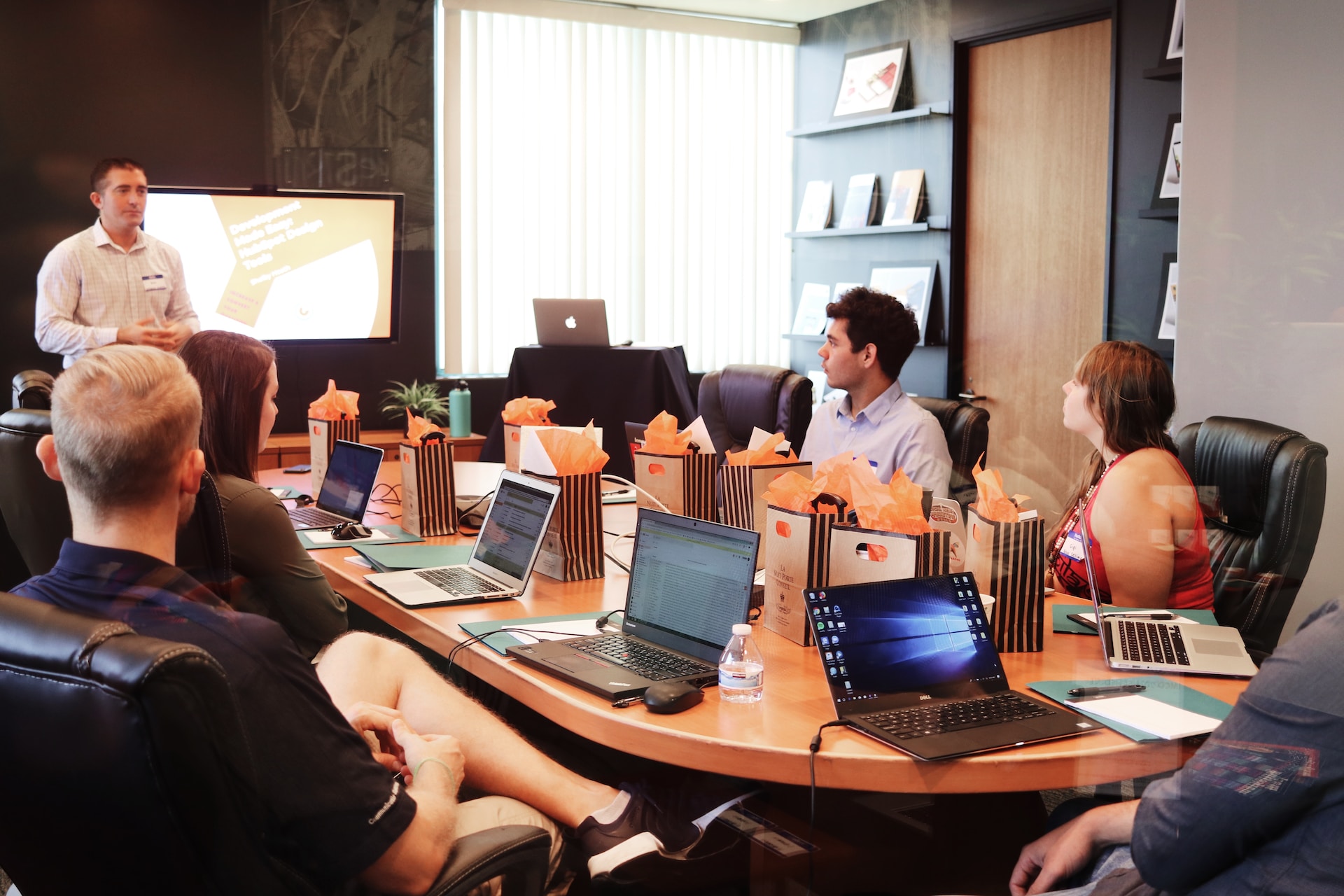
In today’s rapidly changing business landscape, building flexible work environments has become essential for organizations to thrive. The ability to adapt and be agile is crucial in navigating uncertainties, embracing innovation, and attracting top talent. A flexible work environment empowers employees to work effectively, regardless of location or time, while maintaining a work-life balance. In this article, we will explore strategies that organizations can implement to foster adaptability and agility in the workplace, creating an environment where employees can thrive and contribute to the success of the organization.
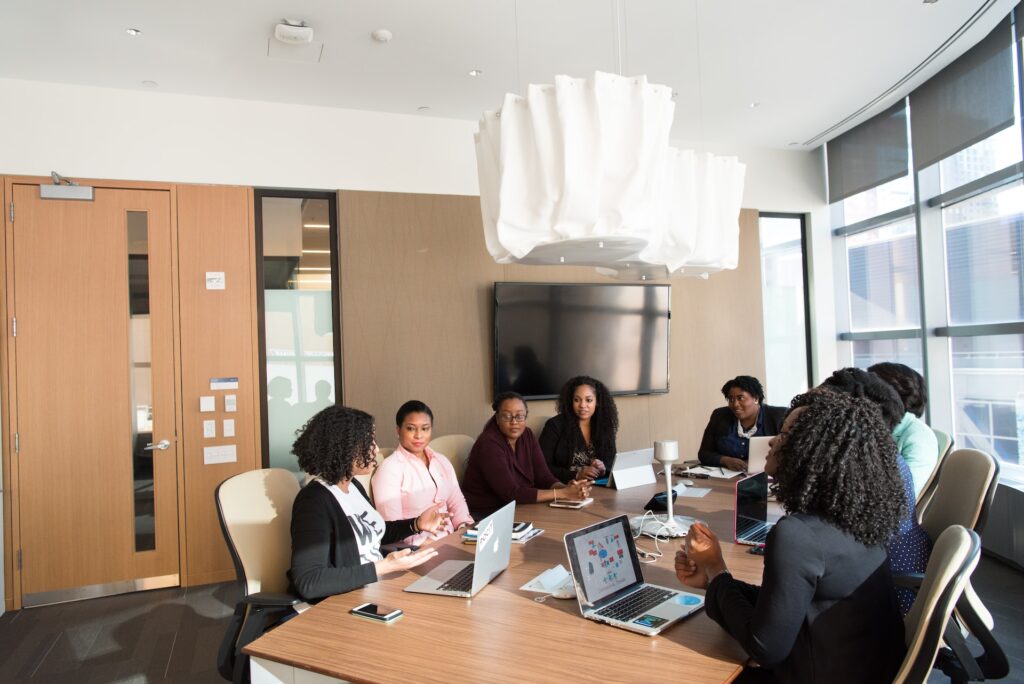
Embrace a Culture of Open Communication:
Open communication is the foundation of a flexible work environment. Encourage transparent and frequent communication channels between employees, teams, and leadership. Create platforms for sharing ideas, feedback, and concerns. Foster an environment where employees feel comfortable expressing their opinions and collaborating across departments. By promoting open communication, organizations can ensure that employees stay informed, connected, and engaged, regardless of their physical location or work schedule.
Implement Remote Work and Flextime Policies:
Remote work and flextime policies offer employees the flexibility to manage their work in a way that suits their needs and personal circumstances. Establish clear guidelines and expectations for remote work, including communication protocols and deadlines. Provide employees with the necessary tools and technology to effectively work remotely. Flextime policies allow employees to customize their work hours, providing autonomy and accommodating personal commitments. By embracing remote work and flextime, organizations foster a culture of trust, improve work-life balance, and attract a diverse and talented workforce.
Invest in Technology and Collaboration Tools:
To support a flexible work environment, organizations need to invest in technology and collaboration tools. Utilize project management platforms, communication tools, and virtual meeting software to facilitate seamless collaboration and communication among team members, regardless of their physical location. Provide training and support to ensure employees are proficient in utilizing these tools effectively. By implementing robust technology infrastructure, organizations enable employees to work efficiently, collaborate in real-time, and access necessary resources, regardless of their physical location.
Foster a Results-Oriented Work Culture:
Shifting the focus from traditional time-based metrics to results-oriented work culture is essential in building a flexible environment. Set clear goals and objectives for employees, emphasizing outcomes rather than time spent on tasks. Establish key performance indicators (KPIs) that align with organizational objectives and evaluate employees based on their ability to achieve these KPIs. By prioritizing results, organizations empower employees to manage their time effectively and promote a culture of accountability and productivity.
Provide Ongoing Training and Skill Development:
Continuous learning and skill development are crucial in a flexible work environment. Offer regular training programs, workshops, and online courses to enhance employees’ skills and keep them updated on industry trends. Encourage employees to pursue certifications and professional development opportunities. Provide resources and support for self-directed learning. By investing in the growth and development of employees, organizations ensure they have the skills and knowledge to adapt to evolving demands and contribute to the organization’s success.
Encourage Cross-Functional Collaboration and Knowledge Sharing:
Break down silos and foster cross-functional collaboration within the organization. Encourage employees to collaborate with colleagues from different departments, sharing knowledge, expertise, and best practices. Establish channels for knowledge sharing, such as internal wikis, mentorship programs, and regular team meetings. Encourage employees to contribute ideas and solutions, regardless of their position or department. By fostering cross-functional collaboration, organizations facilitate the exchange of diverse perspectives and enable the organization to adapt quickly to changing market conditions.
Support Work-Life Integration:
Promote work-life integration by offering initiatives and programs that support employee well-being. Implement flexible leave policies, wellness programs, and initiatives that foster a healthy work-life balance. Encourage employees to take breaks, recharge, and prioritize self-care. Provide resources for managing stress, maintaining mental health, and promoting work-life harmony. By supporting work-life integration, organizations demonstrate their commitment to employee well-being and create an environment where employees can thrive both professionally and personally.
Emphasize Agile Decision-Making Processes:
Adopt agile decision-making processes that enable organizations to respond quickly to changing circumstances. Implement frameworks such as agile project management methodologies that emphasize adaptability, iteration, and continuous improvement. Encourage employees to contribute ideas and solutions, and empower them to make decisions within their areas of responsibility. Create a culture that values experimentation, learning from failures, and iterating on solutions. By embracing agile decision-making processes, organizations can adapt swiftly to market changes, seize new opportunities, and stay ahead in a competitive landscape.
Building flexible work environments is crucial in today’s fast-paced and ever-changing business landscape. By embracing open communication, implementing remote work and flextime policies, investing in technology and collaboration tools, fostering a results-oriented work culture, providing ongoing training and skill development, encouraging cross-functional collaboration, supporting work-life integration, and emphasizing agile decision-making processes, organizations can create an environment where employees can adapt, innovate, and thrive. A flexible work environment not only attracts top talent but also enhances productivity, employee satisfaction, and the overall success of the organization in an increasingly dynamic world.