
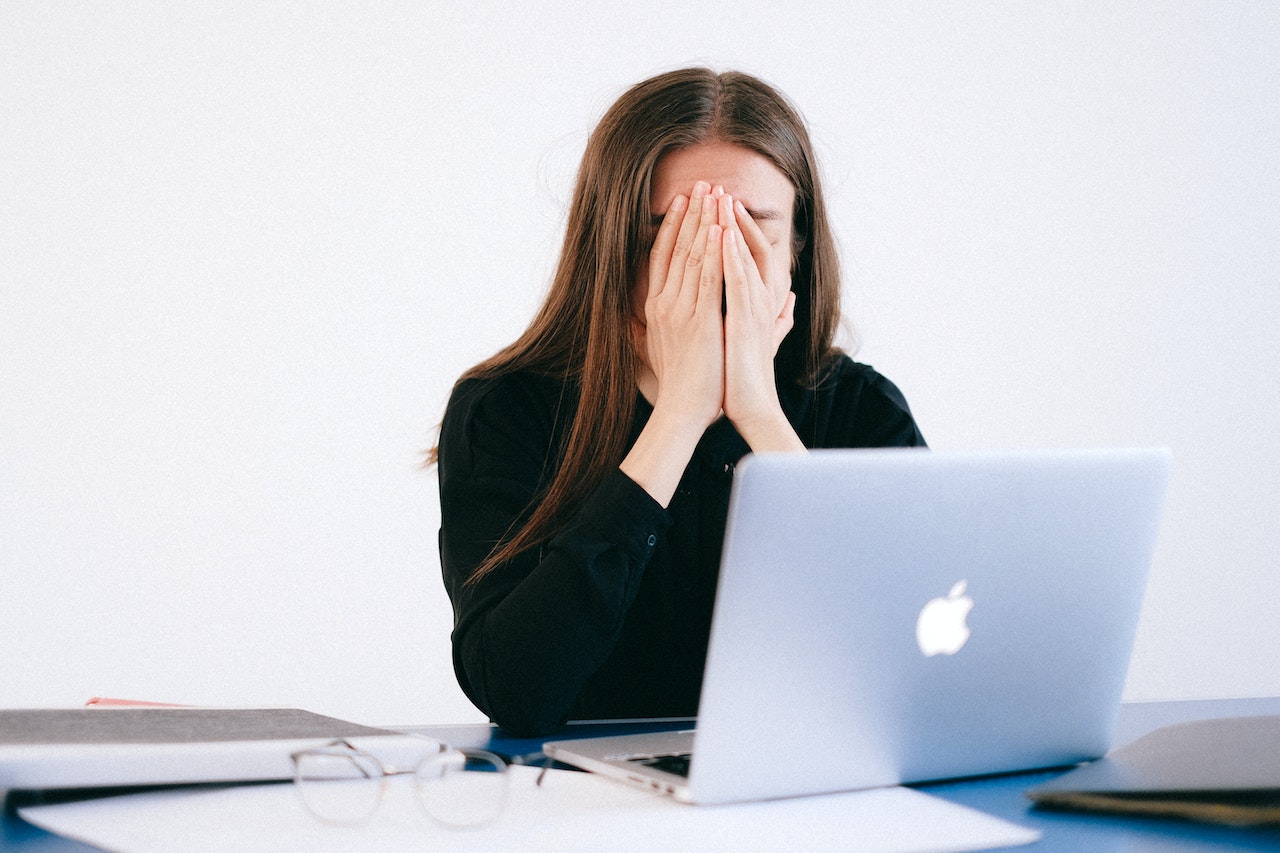
Adjustment disorder with mixed anxiety and depressed mood is a mental health condition that can develop in response to a stressful or traumatic life event. It is characterized by a mix of symptoms of anxiety and depression, including feelings of sadness, worry, and hopelessness, as well as physical symptoms such as fatigue, sleep disturbances, and changes in appetite.
Causes
Adjustment disorder with mixed anxiety and depressed mood can develop in response to a wide range of stressors, including job loss, relationship problems, financial difficulties, illness, or a significant life change such as a move or a major life transition. People with a history of trauma or other mental health conditions may be more at risk for developing adjustment disorder.
Symptoms
Symptoms of adjustment disorder with mixed anxiety and depressed mood can vary widely depending on the individual and the situation. However, common symptoms include:
- Persistent feelings of sadness or hopelessness
- Anxiety or worry
- Difficulty sleeping or changes in sleep patterns
- Changes in appetite or weight
- Fatigue or lack of energy
- Difficulty concentrating or making decisions
- Physical symptoms such as headaches or stomachaches
- Avoiding social or occupational activities
Diagnosis
Diagnosis of adjustment disorder with mixed anxiety and depressed mood is based on a thorough evaluation by a mental health professional. The clinician will ask questions about the person’s symptoms, medical history, and any recent stressful events. They may also use psychological tests to help diagnose the condition.
Treatment
The goal of treatment for adjustment disorder with mixed anxiety and depressed mood is to alleviate symptoms and help the person adjust to the stressful situation. Treatment may include:
Psychotherapy
Psychotherapy, also known as talk therapy, can be an effective treatment for adjustment disorder. Different types of therapy may be used, including cognitive-behavioral therapy (CBT), which focuses on changing negative thought patterns, and interpersonal therapy, which helps the person improve communication and relationships with others.
Medication
Medication may be used in conjunction with psychotherapy to help alleviate symptoms of anxiety and depression. Antidepressant medication is often prescribed, and may take several weeks to begin working.
Support groups
Support groups can be helpful for people with adjustment disorder, as they provide a safe and supportive environment to discuss their feelings and experiences with others who are going through similar struggles.
Lifestyle changes
Making lifestyle changes can also be helpful in managing symptoms of adjustment disorder. This can include engaging in regular exercise, eating a healthy diet, getting enough sleep, and practicing stress-reducing techniques such as mindfulness or yoga.
Prognosis
With appropriate treatment, the prognosis for adjustment disorder with mixed anxiety and depressed mood is generally good. Many people experience significant improvement in symptoms within a few weeks or months of beginning treatment. However, some people may continue to experience symptoms for a longer period of time, and may require ongoing treatment.
Prevention
While it is not always possible to prevent adjustment disorder with mixed anxiety and depressed mood, there are steps that can be taken to reduce the risk of developing the condition. This includes:
Building resilience
Building resilience, or the ability to bounce back from stressful events, can help reduce the risk of developing adjustment disorder. This can be done by developing healthy coping mechanisms, such as exercise, meditation, or journaling, and by cultivating a strong support network of friends and family.
Seeking help
Seeking help early on can be critical in preventing adjustment disorder from developing into a more severe mental health condition. If you are experiencing symptoms of anxiety or depression in response to a stressful event, reach out to a mental health professional for support.
Reducing stress
Reducing stress in your daily life can also help to prevent adjustment disorder. This can be done by practicing self-care, setting realistic goals, and prioritizing activities that bring joy and fulfillment.
Practicing mindfulness
Practicing mindfulness can be an effective way to reduce symptoms of anxiety and depression. Mindfulness involves focusing on the present moment and accepting thoughts and feelings without judgment. This can help to reduce feelings of worry and sadness and improve overall well-being.
Maintaining a healthy lifestyle
Maintaining a healthy lifestyle is important for overall mental health and well-being. This includes engaging in regular exercise, eating a healthy diet, getting enough sleep, and avoiding harmful substances such as drugs and alcohol.
Adjustment disorder with mixed anxiety and depressed mood is a mental health condition that can develop in response to a stressful or traumatic life event. It is characterized by a mix of symptoms of anxiety and depression, including feelings of sadness, worry, and hopelessness, as well as physical symptoms such as fatigue, sleep disturbances, and changes in appetite. Treatment for adjustment disorder may include psychotherapy, medication, support groups, and lifestyle changes. With appropriate treatment, the prognosis for adjustment disorder is generally good, and steps can be taken to reduce the risk of developing the condition, including building resilience, seeking help, reducing stress, practicing mindfulness, and maintaining a healthy lifestyle. It is important to seek professional help if you are experiencing symptoms of anxiety or depression in response to a stressful event, as early intervention can be critical in preventing adjustment disorder from developing into a more severe mental health condition.